
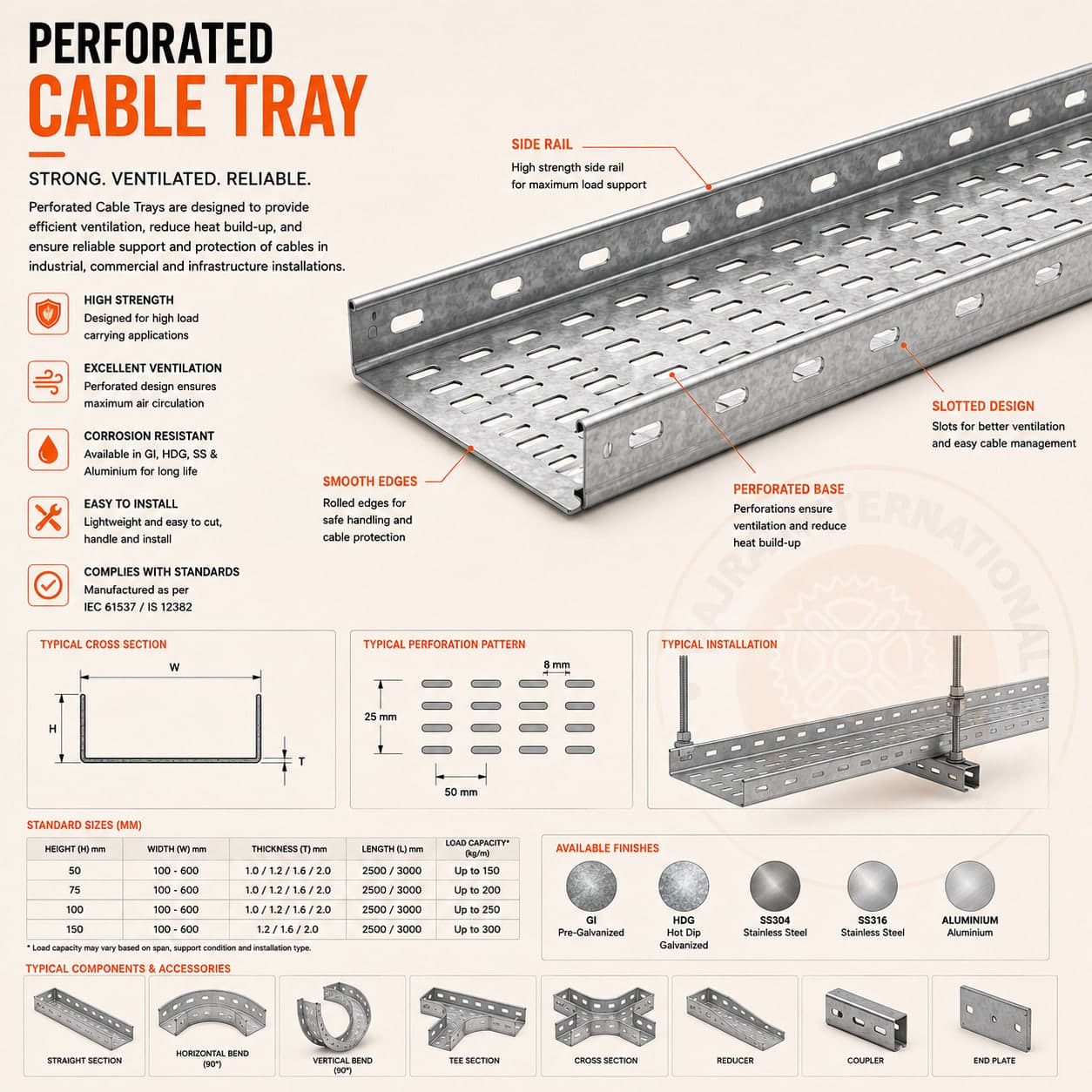
Nigeria imported approximately USD 18 million of cable trays, earthing systems and structural metal from India in the 12 months to March 2026, driven primarily by the Nigerian National Petroleum Company Limited (NNPCL), Shell Petroleum Development Company (SPDC), TotalEnergies EP Nigeria and their upstream and midstream EPC contractors, plus active power infrastructure build-out under the Transmission Company of Nigeria (TCN) and state electricity distribution companies. The Nigerian oil and gas sector is undergoing a regulatory transition from the old Petroleum Act to the Petroleum Industry Act (PIA), which has triggered a new round of facility upgrades and compliance inspections across upstream flow stations, gas processing plants and offshore facilities, creating strong demand for cable management, earthing and structural products.
NNPCL and NMDPRA: what the regulatory environment requires
Under the Petroleum Industry Act 2021, the Nigerian Upstream Petroleum Regulatory Commission (NUPRC) and the Nigerian Midstream and Downstream Petroleum Regulatory Authority (NMDPRA) now separately regulate upstream and midstream/downstream activities. For capital project materials procurement: NNPCL and its joint venture partners (Shell, TotalEnergies, Eni, Chevron) follow international standards. IEC 61537 for cable trays, IEC 62561 for earthing and lightning protection, and API/ASME standards for structural steel components. International EPC contractors operating in Nigeria (SAIPEM, Daewoo E&C, Julius Berger Nigeria, Eni-affiliated contractors) typically specify to the international standard version without Nigerian-specific supplements, unless working on a TCN power transmission project which follows its own engineering standards. There is no Nigerian-specific cable tray standard equivalent to SASO (Saudi) or DEWA TSS (UAE). IEC 61537 is the de facto specification standard on all oil and gas projects.
Shell PIB compliance projects: what they require specifically
Shell Petroleum Development Company (SPDC) has an extensive ongoing programme of facility upgrades to achieve Petroleum Industry Act compliance, flow station upgrades, gas flare reduction infrastructure, and wellhead platform refurbishments across the Niger Delta. SPDC uses Shell DEP (Design and Engineering Practice) standards for all capital projects, which require IEC 61537 cable trays with HDG to ISO 1461 minimum 85 µm, third-party inspection at origin (Bureau Veritas or Lloyd's Register nominated by SPDC), and EN 10204 Type 3.1 MTC with heat-number traceability. SPDC projects also have specific earthing requirements for Zone 1 classified areas at flow stations: continuous bonding conductors across all tray joints (4 mm² minimum copper), earthing at both run ends, and DC loop resistance post-installation testing to below 1 Ω.
Port of entry: Lagos vs Port Harcourt
Apapa Port (Lagos) is Nigeria's main general cargo port and handles approximately 70% of Nigeria's container imports. Tin Can Island Port (also Lagos) handles the balance of general cargo. For Niger Delta oil and gas project supplies: Port Harcourt Port is the preferred entry point for Imo, Rivers, Bayelsa, Delta and Cross River states, significantly shorter inland transit compared to Lagos. For Abuja and north-central Nigeria: Lagos remains the practical entry point. Key logistics consideration: Lagos Apapa Port is subject to significant traffic congestion and port dwell times of 7–14 days for container clearance are common. A Duty shortcode of C-line can be prepared in advance by a Nigerian customs agent to reduce dwell time. Work with an experienced Nigerian customs broker (Licensed Customs Agent) from the order stage, not after the vessel arrives.
Import documentation for Nigeria
- Form M (Import License): Nigeria requires a Form M to be opened at a Nigerian bank by the importer before goods are shipped. No shipment should leave India without a valid Form M number, goods will be rejected at Nigerian customs without one. The Form M is opened by the Nigerian buyer against the Proforma Invoice.
- Combined Certificate of Value and Origin (CCVO): required by Nigerian customs, a combined document showing the invoice value and confirming Indian origin. Issued by the Indian exporter and authenticated by the Indian Chamber of Commerce.
- NAFDAC registration: not required for cable trays and metal structural products (applies to food, drugs, cosmetics, medical devices). Confirm with your Nigerian customs broker.
- Pre-Shipment Inspection: Nigeria's PAAR (Pre-Arrival Assessment Report) system may require pre-shipment inspection for some product categories above a threshold value. A NAFDAC or SON (Standards Organisation of Nigeria) product certification may be required for some electrical accessories, confirm for cable trays specifically with a Lagos customs broker.
- Packing List and EN 10204 Type 3.1 MTC: same requirements as other markets. Nigerian oil and gas projects (NNPCL, Shell, TotalEnergies) require Type 3.1 with heat number; commodity supply for TCN or distribution company projects often accepts Type 2.2.
- Bill of Lading: Kolkata or Mundra to Apapa (Lagos) or Port Harcourt. Transit: 22–30 days via transshipment at Port Said (Suez route) or 26–35 days via Cape route. Direct Nigeria-calling vessels are limited, most route via Lomé (Togo) or Abidjan (Ivory Coast) transshipment.
The Form M is the single most common reason Indian exports to Nigeria are held at port. Open it before the vessel leaves India, not after. The Nigerian buyer must initiate the Form M through their bank and provide you with the number before goods are ready to ship.
Supplying an NNPCL, Shell or TCN project in Nigeria? We have supplied West African EPCs with cable trays, gratings and earthing systems, with full EN 10204 Type 3.1 MTC and third-party inspection. Submit your project enquiry and we'll return a quotation.